Losing weight does not always require strict dieting or extreme workouts. Many Americans are now seeing real results by making one simple diet change: reducing added sugar and processed foods. Health experts say that small food changes can bring noticeable weight loss within 30 days. If you are looking for a safe and easy way to improve your health, this approach may help you.
Let’s understand how this simple change works and why doctors recommend it.
What Is the Simple Diet Change?
The simple change is cutting back on added sugar and highly processed foods.
This means:
- Drinking water instead of soda
- Choosing whole fruits instead of sweets
- Eating home-cooked meals instead of fast food
- Avoiding packaged snacks high in sugar
Instead of counting every calorie, people focus on eating natural, whole foods. This makes the plan easier to follow.
Why Reducing Sugar Helps With Weight Loss
Added sugar increases calories without giving real nutrition. It can also:
- Increase hunger
- Raise blood sugar levels
- Cause fat storage, especially around the stomach
When you reduce sugar intake:
- Your calorie intake automatically drops
- Cravings become less strong
- Energy levels improve
- Belly fat may reduce faster
According to the Centers for Disease Control and Prevention (CDC), limiting added sugar is an important step toward maintaining a healthy weight.
Official Source: https://www.cdc.gov/nutrition
What Happens in 30 Days?
Many people report noticeable changes within one month:
Week 1:
You may feel fewer cravings and less bloating.
Week 2:
Energy levels improve, and digestion becomes better.
Week 3:
Clothes may start feeling looser.
Week 4:
Weight loss becomes visible, especially if combined with light exercise.
The amount of weight loss depends on your starting weight and daily habits. On average, people may lose 4–8 pounds in a month with consistent effort.
Foods to Eat More Of
To replace sugary and processed foods, focus on:
- Fresh fruits
- Vegetables
- Whole grains (brown rice, oats)
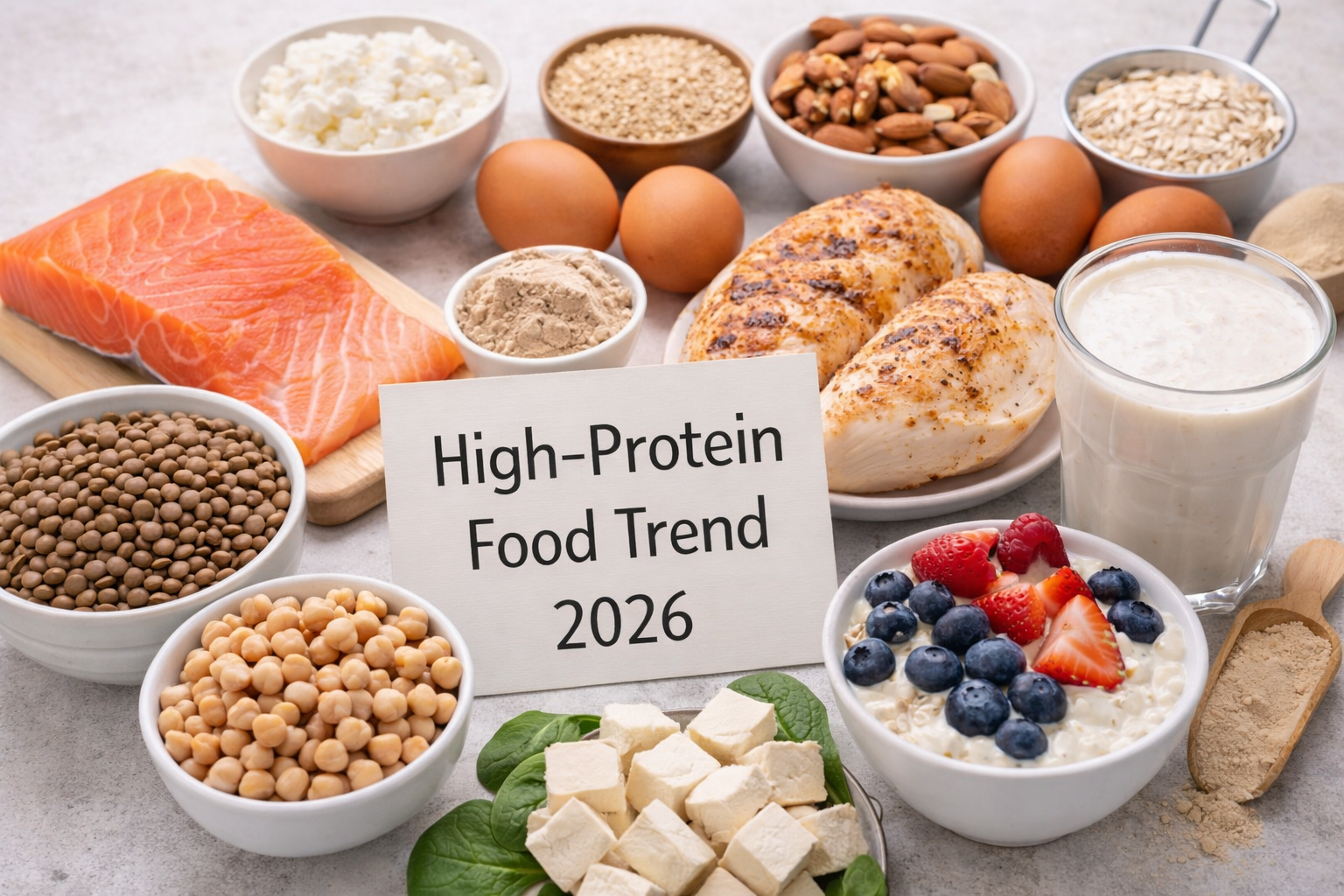
- Lean protein (chicken, fish, beans)
- Nuts and seeds
- Plenty of water
The U.S. Department of Agriculture (USDA) recommends building balanced meals using fruits, vegetables, and lean proteins.
Official Guide: https://www.myplate.gov
Why This Diet Is Easier to Follow
Many diet plans fail because they are too strict. This simple change works because:
- It does not ban entire food groups
- It allows balanced meals
- It is affordable
- It fits into daily life
- It promotes long-term habits
Instead of short-term dieting, this approach builds healthier eating habits.
Important Tips for Better Results
- Read food labels carefully
- Avoid drinks with added sugar
- Cook at home more often
- Sleep 7–8 hours daily
- Walk at least 30 minutes a day
Small habits create big results over time.
Is It Safe?
Yes. Reducing added sugar and processed foods is safe for most people. However, if you have medical conditions like diabetes or heart disease, consult your doctor before making major diet changes.
For trusted nutrition advice, visit:
https://www.health.gov
This simple diet change proves that weight loss does not need to be complicated. By cutting back on added sugar and processed foods, thousands of Americans are seeing real results in just 30 days. The best part is that this method is practical and easy to follow. It focuses on eating real, whole foods instead of packaged snacks. Over time, these small changes improve energy levels, digestion, and overall health. Weight loss becomes a natural result of healthier habits. If you want a safe and steady way to lose weight, start by checking your sugar intake and making smarter food choices. Consistency is the key to success. Always remember that long-term health is more important than quick results.
Frequently Asked Questions (FAQ
1. How much weight can I lose in 30 days?
Most people lose 4–8 pounds if they follow the plan consistently.
2. Do I need to exercise?
Exercise is not required but walking or light workouts can improve results.
3. Can I still eat sweets sometimes?
Yes, but limit them to small portions and not daily.
4. Is this diet expensive?
No. Whole foods like rice, beans, fruits, and vegetables are affordable.
5. Is this safe for teenagers?
Yes, but teens should consult parents or doctors before major diet changes.