Do you wake up already feeling drained? Do you reach for coffee or energy drinks just to make it through the midday slump, only to crash again by late afternoon?
If this sounds familiar, you’re not alone. In 2026, millions of people are searching for natural, sustainable ways to boost their energy without relying on caffeine or stimulants. And surprisingly, one of the most powerful solutions comes from an ancient practice that moves slowly—very slowly.
Tai Chi, a centuries-old Chinese practice, has emerged as a leading wellness trend this year. Not because it’s new, but because it works. In a world racing toward burnout, Tai Chi invites us to slow down, breathe deeply, and recharge from the inside out .
Let’s explore how this gentle, flowing practice can calm your mind, restore your body, and give you the sustainable energy you’ve been craving.
What Exactly Is Tai Chi?
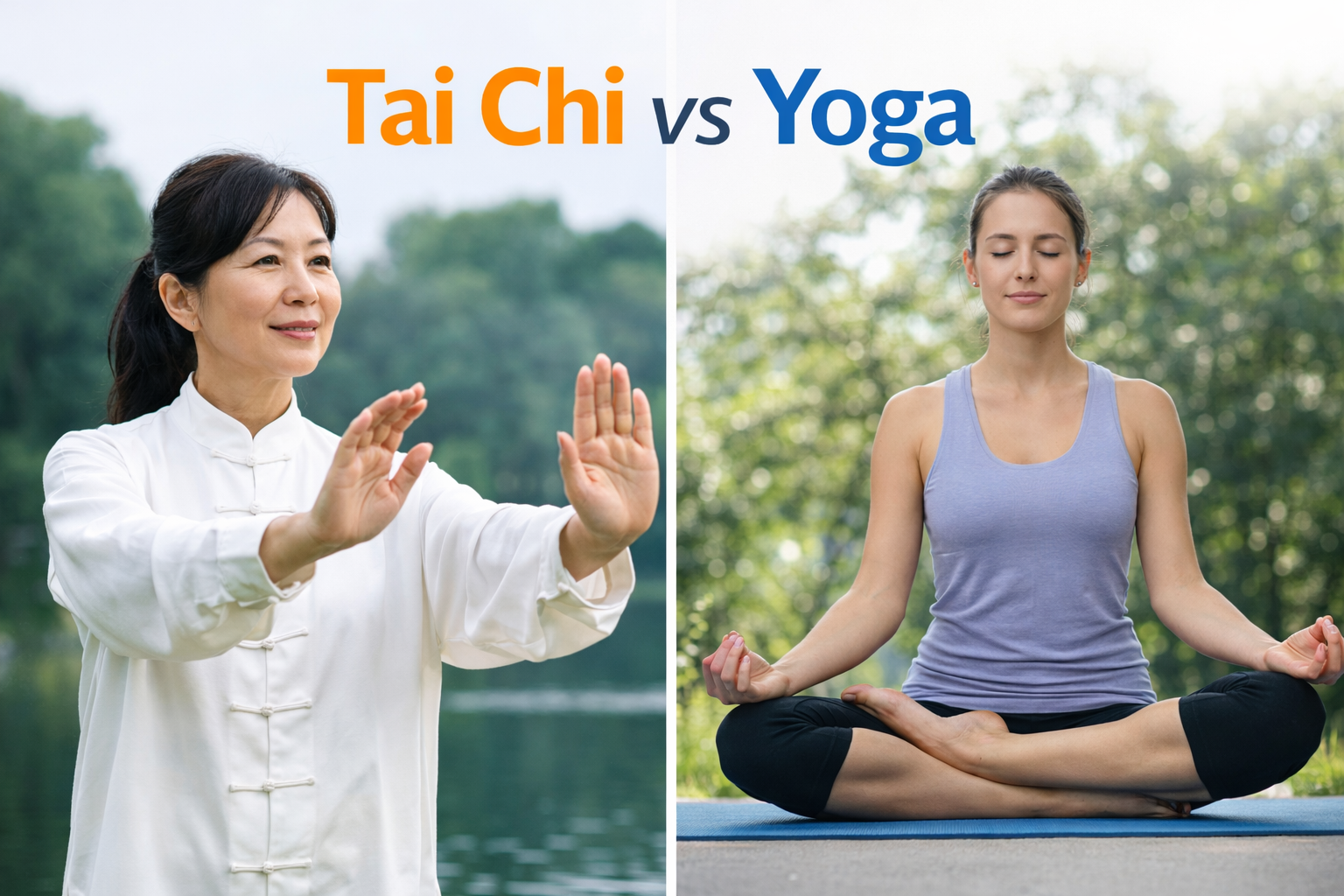
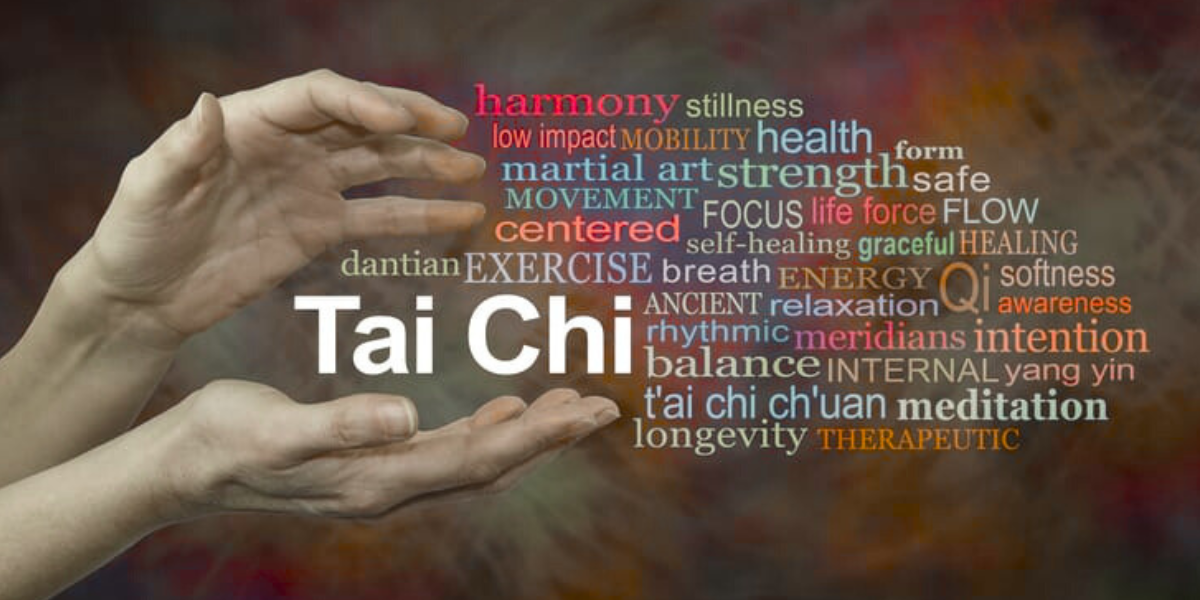
Tai Chi (short for T’ai Chi Ch’uan) began as a martial art in ancient China but has evolved into a graceful form of exercise practiced by millions worldwide . Often described as “meditation in motion,” it involves performing a series of slow, deliberate movements while breathing deeply and maintaining focused awareness .
Think of it as a moving meditation. Unlike high-intensity workouts that leave you breathless and exhausted, Tai Chi leaves you feeling calm, centered, and surprisingly energized.
The practice is deeply rooted in Chinese philosophy, incorporating traditional concepts of yin and yang—the idea that opposite forces are actually interconnected and complementary . In Tai Chi, softness meets strength, stillness meets movement, and calmness meets energy.
Today, Tai Chi is recognized as a national intangible cultural heritage in China and has become a global phenomenon embraced by people of all ages and fitness levels .
Why Tai Chi Is Exactly What We Need in 2026
Let’s be honest: 2026 has been exhausting. We’re living through what many are calling the “Great Exhaustion”—a collective fatigue that sleep alone can’t fix . Our minds are overstimulated, our bodies are stressed, and our energy feels perpetually drained.
Enter Tai Chi.
Unlike the aggressive fitness trends of the past decade, Tai Chi offers something radically different: permission to slow down. In a culture that glorifies hustle and intensity, Tai Chi whispers that gentle movement can be just as powerful—if not more so—for restoring true vitality .
The Tai Chi for Health program, developed by Dr. Paul Lam, has gained tremendous traction in 2026 precisely because it addresses this moment. It offers an evidence-based approach to:
- Boost vitality naturally
- Improve focus and mental clarity
- Melt away stress without medication
- Recharge your body—no caffeine required
As one program description puts it: “Feeling drained in the morning or stuck in a mid-day slump? In today’s fast-paced world, it’s easy to feel run down. Tai Chi for Energy offers a natural way to recharge” .
The Science: What Research Reveals About Tai Chi and Energy
You might wonder: How can slow, gentle movements possibly boost energy? Shouldn’t I be running or lifting weights to feel alive?
The science tells a different story. Research increasingly shows that Tai Chi’s benefits go far beyond relaxation—it actually transforms how your body produces and conserves energy.
1. Better Sleep, More Energy
A groundbreaking 2026 study published in Frontiers in Psychology examined the effects of Tai Chi on sleep quality and anxiety in older adults . The randomized controlled trial found that after just 11 weeks of practice, participants experienced:
- Significant improvements in overall sleep quality
- Reduced sleep disturbances
- Decreased reliance on sleeping medication
- Less daytime dysfunction (that exhausted feeling during waking hours)
The connection is clear: when you sleep better, you wake up with more energy. Tai Chi helps break the cycle of poor sleep leading to exhausted days, which then lead to more restless nights.
2. Anxiety Reduction That Saves Energy
The same study found that Tai Chi significantly reduced anxiety levels . Why does this matter for energy? Because anxiety is an energy vampire.
When you’re anxious, your body remains in a state of high alert—heart racing, muscles tense, mind spinning. This constant state of “fight or flight” burns enormous energy, leaving you depleted by midday. By calming the nervous system, Tai Chi helps your body stop wasting energy on chronic stress .
3. The Qi Factor: Your Body’s Internal Energy
Traditional Tai Chi philosophy centers on the concept of Qi (pronounced “chee”)—the body’s life force energy. According to this view, illness and fatigue arise when Qi becomes stagnant or blocked. Tai Chi’s flowing movements are designed to keep Qi circulating freely, restoring balance and vitality .
As one Qi Gong teacher explains: “There’s a saying in Qi Gong, ‘Flowing water doesn’t stagnate…’ and the same is true for the body’s energy. When we keep this internal life force energy circulating, inner balance and relaxation happen naturally” .
Modern science doesn’t yet have instruments to measure Qi directly, but researchers acknowledge that something powerful happens in the body during Tai Chi practice. Heart rate variability improves, inflammation decreases, and participants consistently report feeling more energized .
Getting Started: Your First Steps
The beauty of Tai Chi is that you don’t need any special equipment, flexibility, or prior experience to begin . It meets you exactly where you are.
What You’ll Need:
- Comfortable, loose-fitting clothing
- Flat, flexible shoes (or bare feet on a non-slip surface)
- A quiet space where you can move freely
- Patience and curiosity
A Simple 5-Minute Practice to Try Today
- Stand tall with feet shoulder-width apart, knees soft (not locked)
- Shake out your arms and shoulders, releasing tension
- Place your hands on your lower belly and take five deep breaths, feeling your abdomen expand and contract
- Lift your arms slowly to shoulder height as you inhale, imagining you’re lifting a balloon
- Lower your arms gently as you exhale, releasing any remaining tension
- Repeat this arm movement five times, moving slowly and mindfully
- Stand quietly for a moment and notice how you feel
Congratulations—you’ve just done Tai Chi.
Finding Your Practice in 2026
Tai Chi has never been more accessible. Here are some ways to dive deeper this year:
Online Options
- Virtual Tai Chi for Energy classes are offered through university extension programs and wellness centers, often including both Sun and Chen style elements
- Online courses provide step-by-step instruction you can follow at home
In-Person Options
- Community classes at local parks, senior centers, and community colleges
- Workshops with master teachers for deeper practice
Self-Guided Options
- Books and DVDs offer structured programs, including 10-minute daily routines perfect for beginners
- YouTube tutorials provide free access to experienced instructors
Frequently Asked Questions
Is Tai Chi really a workout?
Yes—but a different kind. While it won’t spike your heart rate like running, Tai Chi builds strength, improves balance, and enhances endurance through sustained, controlled movement .
How often should I practice?
Even 10 minutes daily can produce noticeable benefits. Many programs recommend 2-3 sessions per week for optimal results .
Can I do Tai Chi if I have joint pain or limited mobility?
Absolutely. Tai Chi is low-impact and can be adapted for seated practice or modified for individual needs. Always consult your healthcare provider before starting any new exercise program .