Heart health has become an important topic for many people in the United States, especially as heart disease continues to be one of the leading health concerns. Doctors often say that small food changes can make a big difference over time. The good news is that you do not need expensive diets or complicated plans to take care of your heart. Many everyday foods can support heart health naturally when added to a balanced diet. In this article, we explain seven foods that doctors commonly recommend for better heart health, using simple and easy-to-understand information suitable for everyone.
Why Heart-Healthy Foods Matter
The heart works continuously to pump blood throughout the body. When people eat too much processed food, sugar, or unhealthy fats, it can increase cholesterol levels and blood pressure. Over time, this may increase the risk of heart problems.
Eating heart-friendly foods helps improve blood flow, reduce inflammation, and support healthy cholesterol levels. Doctors often suggest focusing on natural foods that contain fiber, healthy fats, vitamins, and antioxidants.
1. Fatty Fish Rich in Omega-3
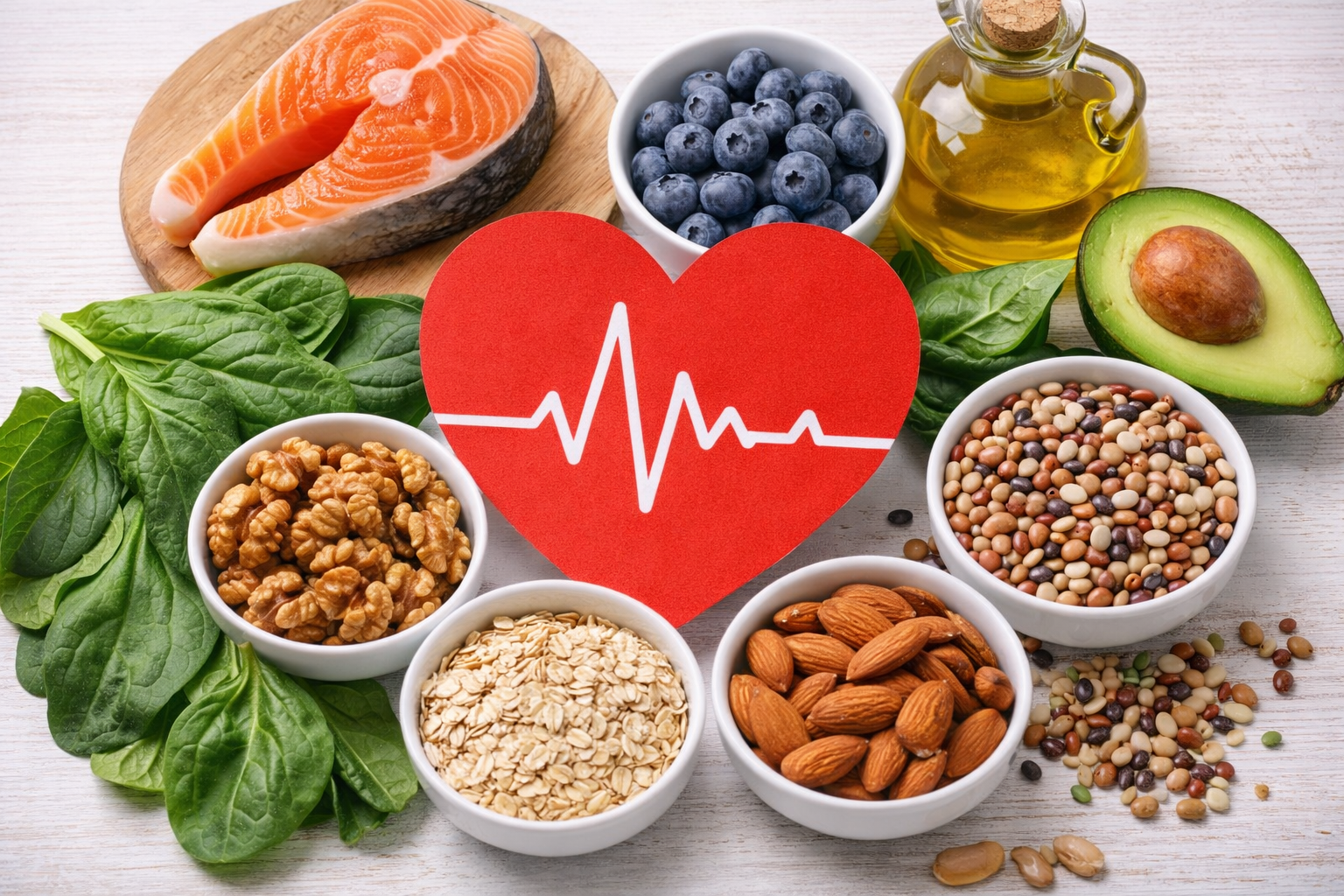
Fish such as salmon, tuna, sardines, and mackerel are rich in omega-3 fatty acids. These healthy fats help reduce inflammation and may lower the risk of heart disease. Doctors often recommend eating fatty fish at least two times a week for better heart protection.
2. Leafy Green Vegetables
Spinach, kale, and other green vegetables are full of vitamins, minerals, and antioxidants. They also contain nitrates that help improve blood flow and support healthy blood pressure levels. Adding greens to daily meals is one of the easiest ways to support heart health.
3. Berries for Antioxidant Support
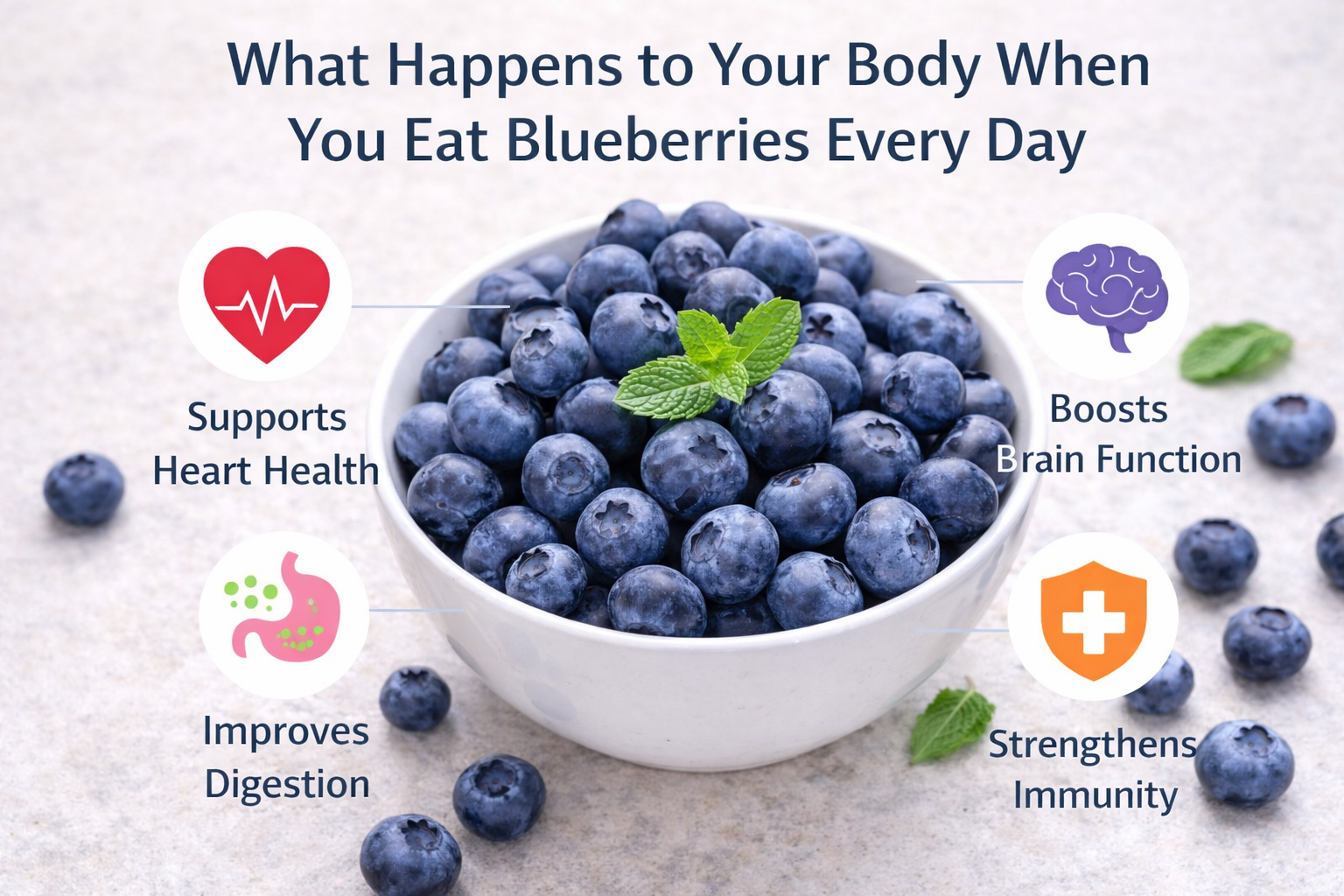
Berries like blueberries, strawberries, and raspberries are known for their antioxidant content. These nutrients help protect blood vessels and reduce damage caused by stress in the body. Many doctors recommend berries as a healthy snack instead of sugary desserts.
4. Whole Grains for Better Cholesterol Control
Whole grains such as oats, brown rice, and whole wheat contain fiber that helps lower bad cholesterol levels. Oats, in particular, are often recommended for breakfast because they help keep the heart healthy while also keeping you full longer.
5. Nuts and Seeds in Moderate Amounts
Almonds, walnuts, flaxseeds, and chia seeds provide healthy fats, fiber, and plant-based protein. Eating small portions regularly may help reduce cholesterol levels. However, doctors advise moderation because nuts are high in calories.
6. Olive Oil Instead of Unhealthy Fats
Olive oil is commonly used in heart-healthy diets like the Mediterranean diet. It contains healthy fats that support good cholesterol levels. Replacing butter or processed oils with olive oil can be a simple but effective change.
7. Beans and Lentils for Plant Protein
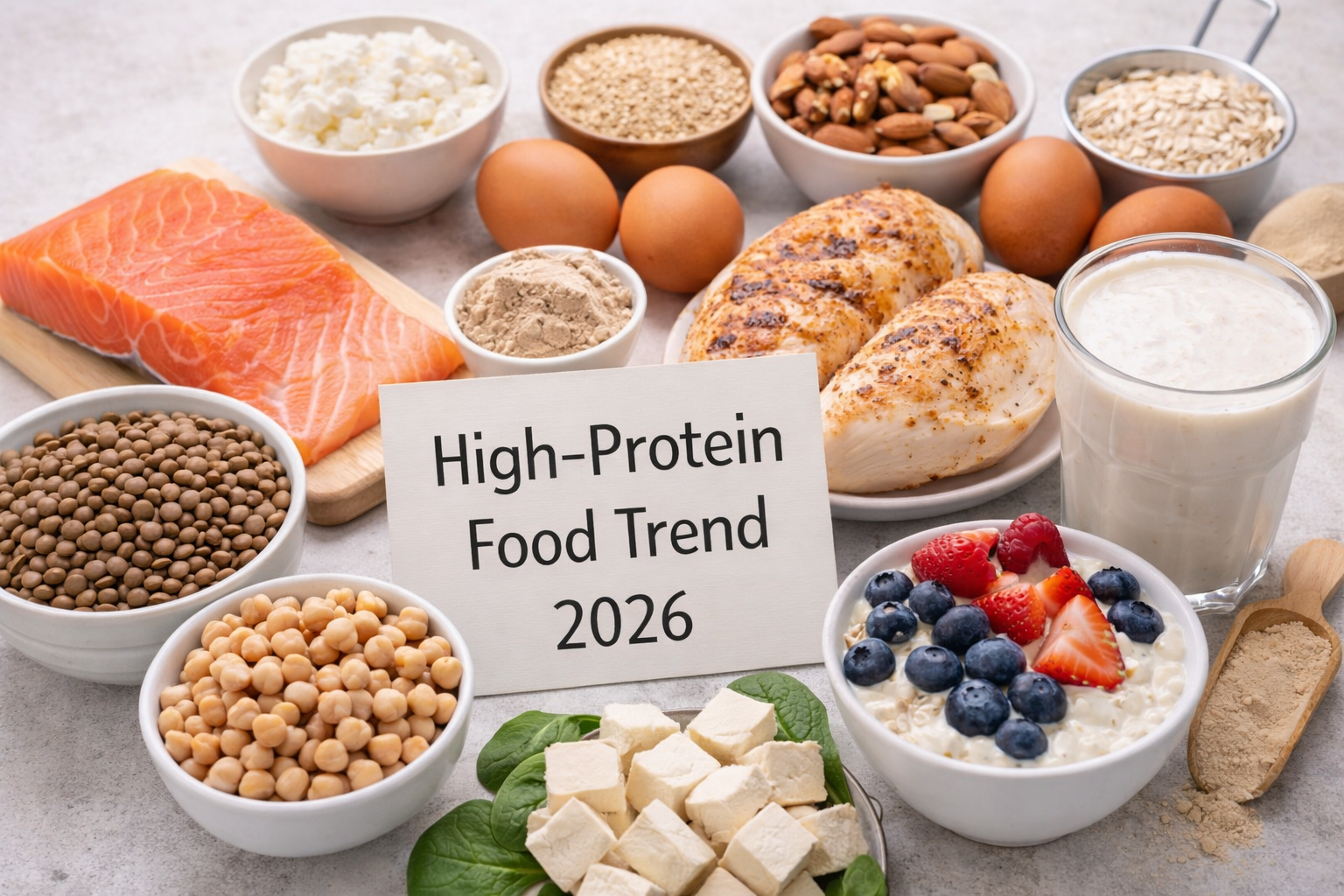
Beans, lentils, and chickpeas are excellent sources of fiber and plant protein. They help control blood sugar levels and reduce cholesterol. These foods are also affordable and easy to include in daily meals.
Improving heart health does not always require major lifestyle changes. Simple daily food choices can make a strong impact over time. Foods like fatty fish, leafy greens, berries, whole grains, nuts, olive oil, and beans provide important nutrients that help the heart function better. Doctors often emphasize consistency rather than perfection. Eating balanced meals, reducing processed foods, and staying physically active together create long-term benefits for heart health. When people start making small changes early, they can reduce future health risks and improve overall quality of life. A healthy heart supports energy levels, mental well-being, and long-term wellness, making food choices one of the most powerful tools for prevention and better living.
Frequently Asked Questions (FAQ)
Q1. How quickly can heart health improve with better food choices?
Some people may notice better energy and improved cholesterol levels within a few weeks, but long-term benefits usually take consistent healthy eating over months.
Q2. Can these foods replace heart medication?
No. These foods support heart health but should not replace prescribed medicines. Always follow your doctor’s advice.
Q3. How often should heart-healthy foods be eaten?
Doctors recommend including these foods regularly as part of daily meals rather than eating them occasionally.
Q4. Are all fats bad for the heart?
No. Healthy fats found in fish, nuts, and olive oil are beneficial when eaten in proper amounts.
Q5. Is a vegetarian diet good for heart health?
Yes, if it includes whole grains, beans, fruits, vegetables, and healthy fats, it can support heart health effectively.