Do your knees, knuckles, or back ever feel stiff, achy, or swollen? Maybe it hurts to get out of bed in the morning, or you feel pain after playing sports or just sitting for a long time. That pain often comes from something called inflammation. Think of inflammation as your body’s internal alarm system. When something is wrong, like an injury or germ, your body sends fluids and white blood cells to fix it, which causes swelling and pain. But sometimes, this alarm system gets stuck on “on,” even when there’s no emergency. This is called chronic inflammation, and it can make your joints hurt all the time.
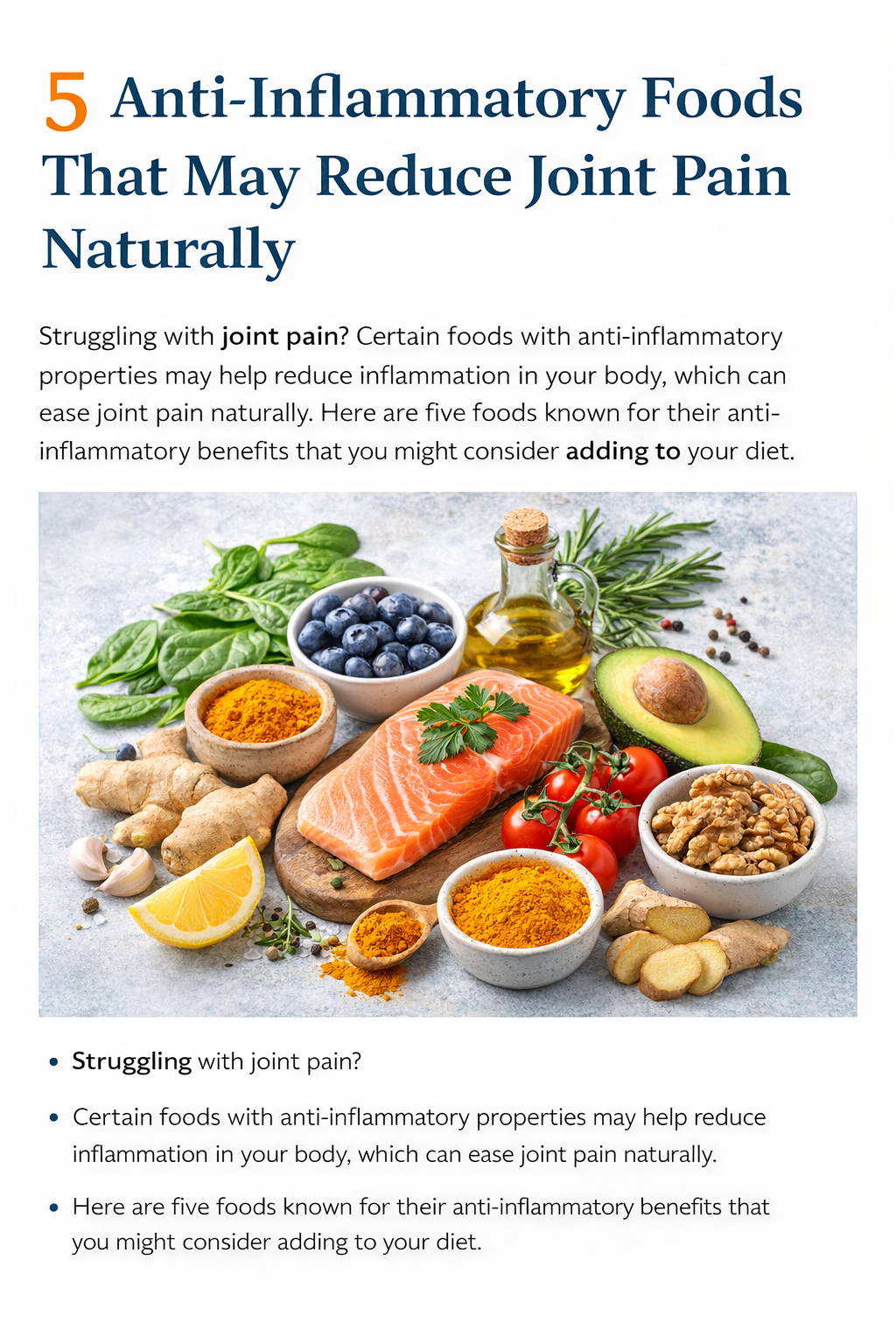
The good news is that you don’t always need to reach for a medicine bottle to feel better. What you put on your plate can be just as powerful! Food is fuel, and certain foods are like a super-powered mechanic for your body, helping to put out the fire of inflammation and keep your joints moving smoothly. Here are 5 delicious and easy-to-find foods that can help you reduce joint pain naturally.
1. Turmeric: The Golden Spice
You might know turmeric as the bright yellow powder that gives curry its color. But in India and other parts of the world, it’s known as a powerful healer. The magic ingredient in turmeric is called curcumin. Curcumin is a strong antioxidant, which is like a shield that protects your body’s cells from damage.
Think of curcumin as a firefighter that goes directly to the source of the inflammation and helps calm it down. Studies have shown that it can be really helpful for people with arthritis, a condition that causes painful joint swelling. To get the most out of turmeric, always try to eat it with a pinch of black pepper. Black pepper has a special compound that helps your body absorb the curcumin much better. You can sprinkle it on eggs, add it to rice, or even stir it into warm milk for a comforting “golden latte.”
2. Fatty Fish: The Vitamin D Boost
Fish like Salmon, Mackerel, and Sardines aren’t just tasty; they’re packed with something called Omega-3 fatty acids. These are special kinds of fats that your body loves but can’t make on its own. You can think of Omega-3s as a natural oil that greases the hinges of a squeaky door. They help lower the levels of certain proteins in your body that cause inflammation.
Eating fatty fish a couple of times a week can make a big difference in how your joints feel. It can help reduce morning stiffness and tenderness. If you’re not a fan of fish, you can get smaller amounts of Omega-3s from things like flaxseeds and walnuts, but fish is one of the best sources. Plus, the vitamin D in these fish is great for your bones, which support your joints!
3. Berries: Tiny But Mighty
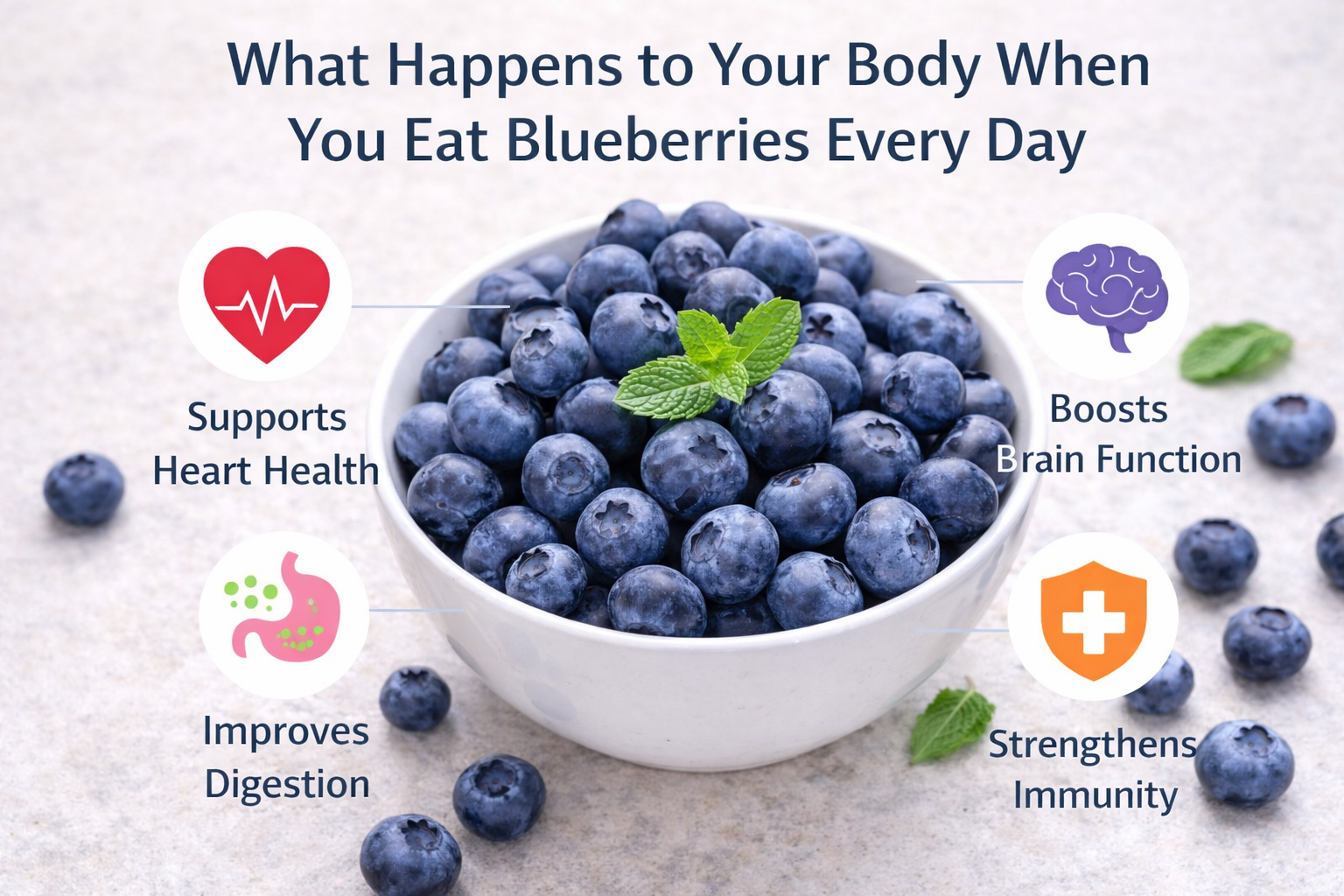
Who knew that something so sweet could be so good for you? Strawberries, blueberries, raspberries, and blackberries are full of tiny compounds called antioxidants, specifically one called anthocyanins. This is the stuff that gives them their deep red, blue, and purple colors.
These antioxidants act like your body’s personal clean-up crew. They search for and destroy “free radicals,” which are unstable molecules that can damage your cells and trigger inflammation. By eating a handful of berries, you’re sending in a team to scrub away that damage and calm your joints down. They’re a perfect snack, great on top of cereal, or blended into a smoothie for a refreshing treat that fights pain while it tastes good.
4. Leafy Greens: The Powerhouse Vegetables
Remember Popeye eating spinach to get strong? He was onto something! Vegetables like spinach, kale, and collard greens are some of the healthiest foods on the planet. They are loaded with vitamins, minerals, and antioxidants, including vitamin E. Vitamin E is like a protective armor for your body’s cells, helping to shield them from inflammatory damage.
These greens are also high in calcium, which is essential for strong bones. Strong bones mean better support for your joints. Try to include a serving of leafy greens in your lunch or dinner. You can toss them in a salad, add them to a sandwich, or even blend them into a fruit smoothie (you won’t even taste them, promise!).
5. Nuts and Seeds: The Perfect Snack
Almonds, walnuts, flaxseeds, and chia seeds are small but they are nutritional giants. We already mentioned that walnuts have Omega-3s, but all nuts and seeds are great sources of healthy fats and fiber. Almonds, for example, are packed with vitamin E, just like the leafy greens, which helps fight those inflammation-causing free radicals.
Fiber is also super important because it helps feed the good bacteria in your gut. A healthy gut is linked to lower inflammation all over your body, including your joints. A small handful of almonds or a spoonful of chia seeds in your yogurt can help keep your joints happy and pain-free throughout the day.
Living with achy joints can really slow you down and make daily life uncomfortable, but you have more control than you might think. By making small, simple changes to your diet and adding these powerful anti-inflammatory foods, you can help your body fight inflammation from the inside out. Think of it as building a strong defense team for your body. Turmeric, fatty fish, berries, leafy greens, and nuts aren’t just food; they are tools that help your joints stay lubricated, protect your cells from damage, and reduce painful swelling. While these foods are not a magic cure and shouldn’t replace a doctor’s advice, they are a fantastic, natural way to support your overall health and get you moving more freely. Pair this healthy eating with staying hydrated and regular exercise, and you are giving your body the absolute best chance to feel strong, flexible, and pain-free for years to come.
Frequently Asked Questions (FAQs)
1. How long does it take for these foods to help with joint pain?
Everyone is different. Some people might start feeling a difference in a few weeks, while for others it might take a couple of months. The key is to be consistent. Think of it like watering a plant – you won’t see it grow overnight, but with regular care, it will flourish.
2. Can I just take supplements instead of eating these foods?
Supplements can be helpful, especially if you have a deficiency, but it’s almost always better to get your nutrients from whole foods. Foods have a mix of vitamins, minerals, and fiber that work together in a way that a single pill can’t copy. If you’re thinking about taking a supplement, it’s a great idea to talk to a doctor or a dietitian first.
3. Are there any foods I should avoid if my joints hurt?
Yes, just as some foods fight inflammation, others can make it worse. Try to cut back on processed foods like chips and fast food, sugary drinks like soda, and too many refined carbs like white bread. These can actually trigger the inflammation process in your body.
4. I’m a teenager. Can my joints really get inflamed?
Yes, joint pain and inflammation can happen at any age. It might be from an injury, from playing too much sports, or from other health reasons. Eating healthy is a great way to support your growing body and help it recover faster, no matter how old you are.